

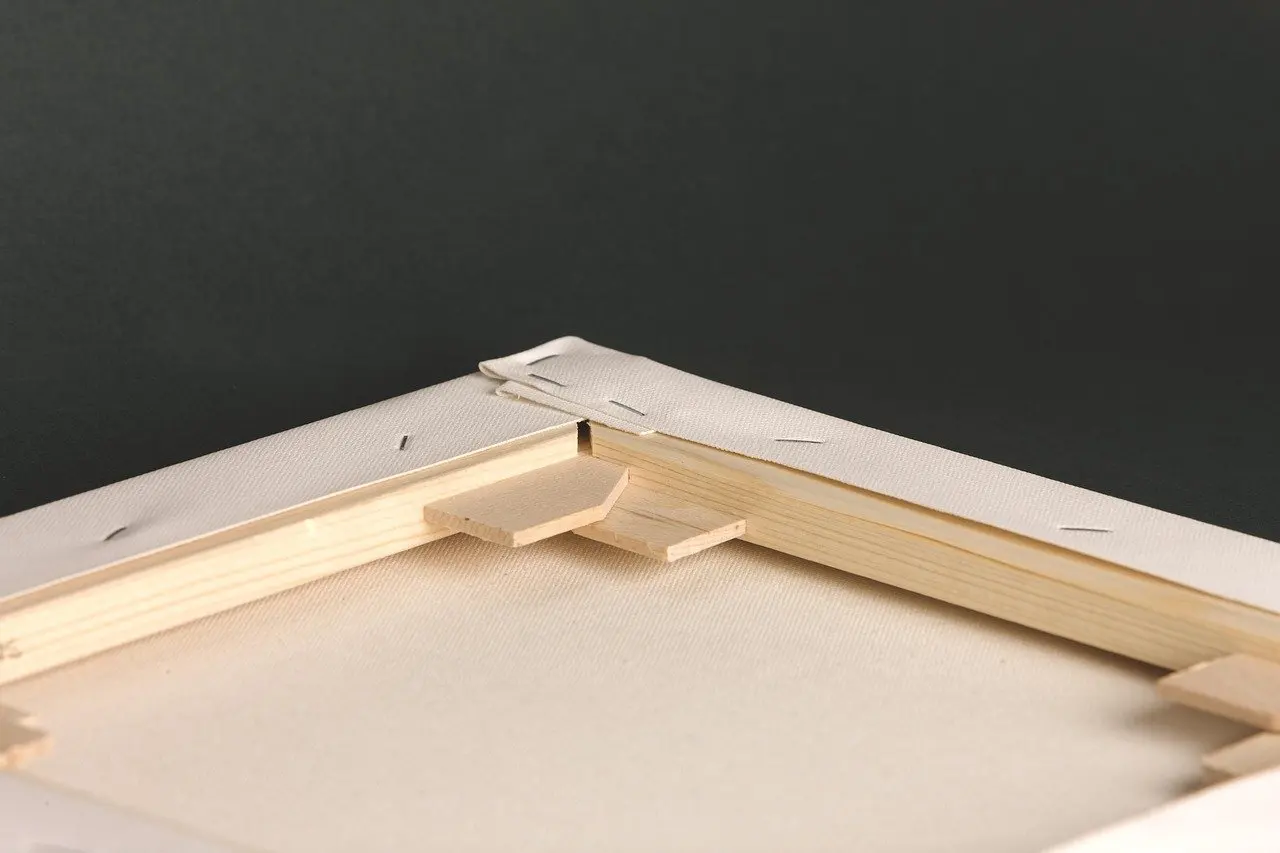
How to frame a canvas painting: confirm the canvas is properly stretched, pick a floater or standard frame, test-fit it, fasten the canvas from the back and finish with a dust cover.
Framing is one stage of presenting a painting at home, and the wider guide on how to hang art on a wall picks up where this procedure ends.
What to have ready before you start
Framing happens after the canvas is stretched, so the painting needs to be on sound stretcher bars before any frame is involved. Top Art & Frame describes stretching as pulling canvas evenly over wooden stretcher bars and securing it at the back. A stretched canvas in that condition is the starting point for everything below.
- A stretched canvas in good condition: the surface should be taut and even, with bars that feel solid rather than weak.
- A frame that suits the canvas depth: the frame depth affects the stretcher-bar depth, so the bars must fit the frame you choose.
- Fastening hardware: offset clips, turn buttons or similar fixings, plus the screwdriver or drill driver that suits them.
- Back-finishing materials: a dust cover and hanging hardware chosen for the final weight of the framed piece.
- A soft, clean work surface: a blanket or padded table protects both the painted face and the frame finish while you work.
Check these items before opening the frame packaging, because a missing piece is easier to fix at this stage than halfway through fastening.
Fitting a canvas into a frame
Step 1: Decide whether this canvas needs a frame
Not every canvas has to be framed. Many contemporary artists make gallery-wrapped canvases with painted edges, and Laasya Art notes that, depending on whether the sides are painted, you do not always have to frame canvas paintings. If the edges are painted and you like the clean, frameless look, you can skip to hanging.
If the sides of the canvas are not painted, the same source recommends adding a non-floater frame. That conceals raw edges and staples, which a floater frame would leave on show. For more on matching moulding to the room and the work, see how to choose a frame for art.
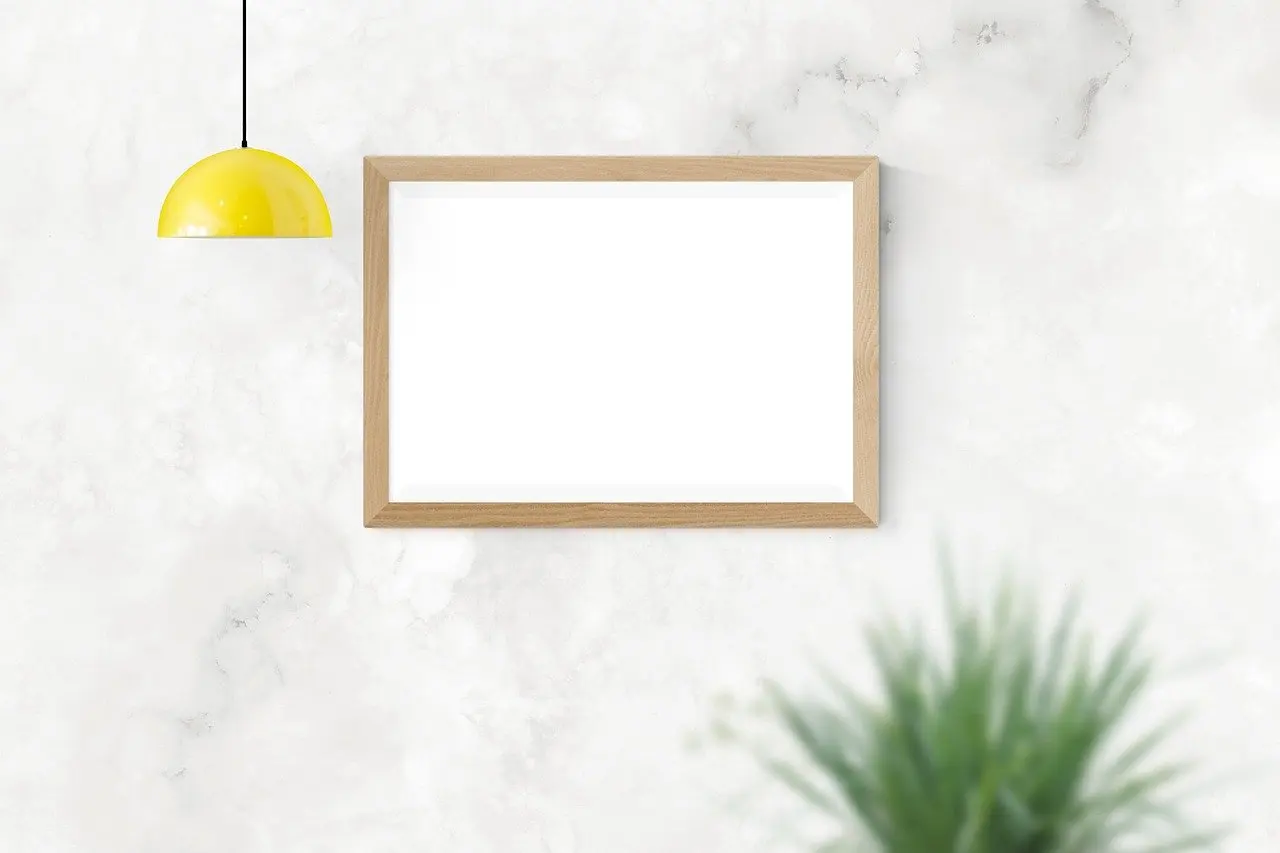
Step 2: Choose between a floater and a standard frame
A floater frame holds the stretched canvas inside the moulding with a narrow visible gap around its perimeter. That gap casts a shadow line, which makes the canvas appear to float inside the frame. The design also keeps the depth of the canvas visible while giving it a more finished profile.
For a canvas with painted sides, Laasya Art names a floater frame in a solid colour as its first choice. Choose the width and finish in proportion to the artwork: the painting is the main subject, so the frame should stay secondary. A narrow gap suits most paintings, and a wider moulding suits larger works. Exact gap dimensions depend on the frame maker, so ask for the gap size when ordering.
Step 3: Stretch loose or unstretched canvas first
Unstretched canvas can be framed, but it has to be stretched over bars first. Top Art & Frame advises that if a canvas is rolled, loose, sagging or mounted on weak bars, proper stretching should come first. Pull the canvas evenly over the stretcher bars, working across the back rather than finishing one side before starting the next. Then secure it at the back. Canvas pliers help grip the edge as you pull.
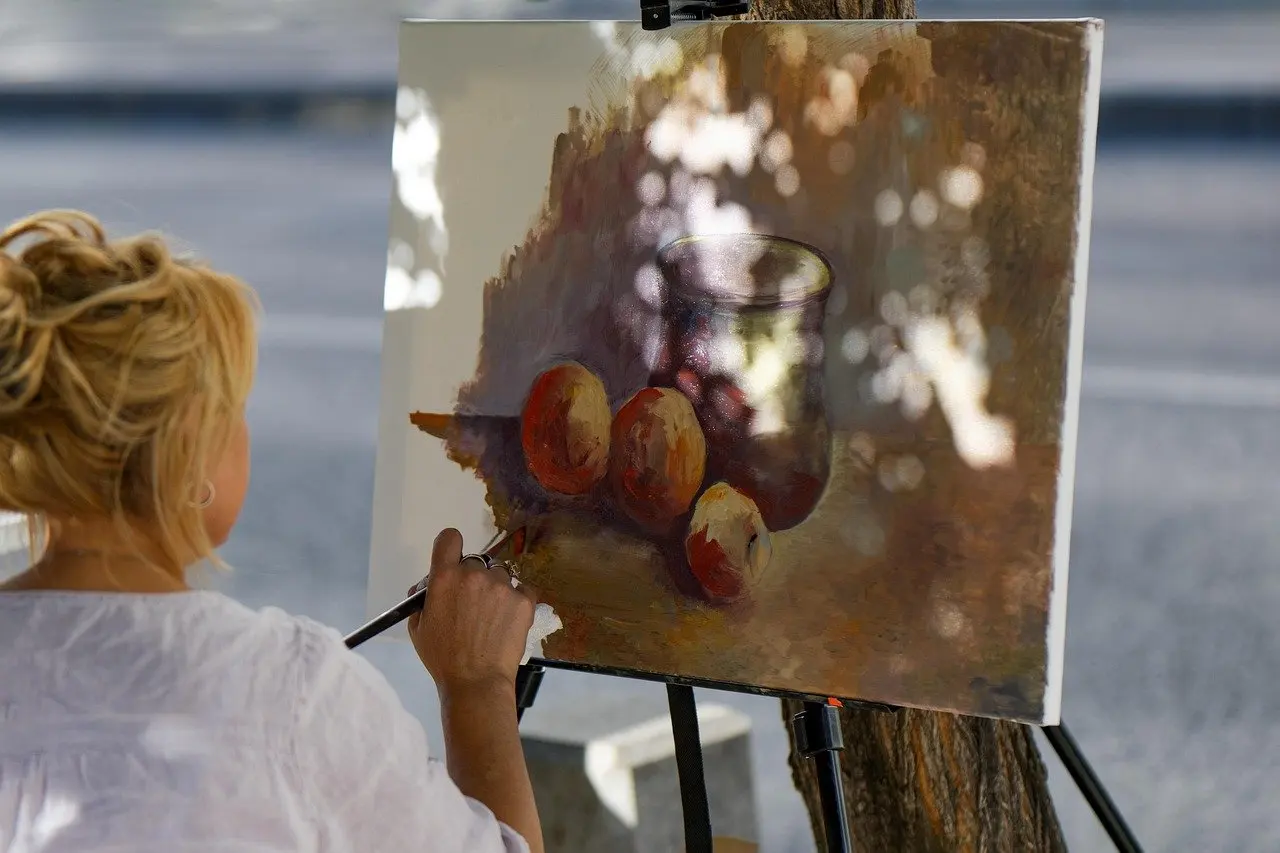
Stretching has limits. A canvas pulled too tightly can distort or stress the image. One stretched loosely can ripple and sag over time, especially in humid conditions. If the canvas is already damaged, do not tighten it as a quick fix. Have the damage assessed before any stretching work.
Step 4: Test-fit the canvas without fastening
Lay the frame face down on the soft surface, then lower the canvas into it, also face down. Check that the stretcher bars sit inside the frame without forcing. Frame depth affects the stretcher-bar depth, so a bar that is too deep for the frame will not seat properly. This is the point to swap the frame or the bars, not later.
In a floater frame, check that the gap looks even on every side before fastening anything. Note the weight of the canvas and frame together as well, because the final weight shapes hardware and installation planning.
Step 5: Fasten the canvas from the back
Fix the canvas to the frame through the stretcher bars, not through the painted surface. Space the fixings around the perimeter and tighten them gradually, moving between sides so the canvas is not pulled out of square. Stop when the canvas is held firmly. Over-tightening can force the bars against the frame and strain the work.
Canvas responds to its surroundings and can expand and contract as environmental conditions shift. Fixings that hold the bars firmly without pinching the canvas fabric therefore suit a frame better than rigid, over-driven ones.

Step 6: Add a dust cover and hanging hardware
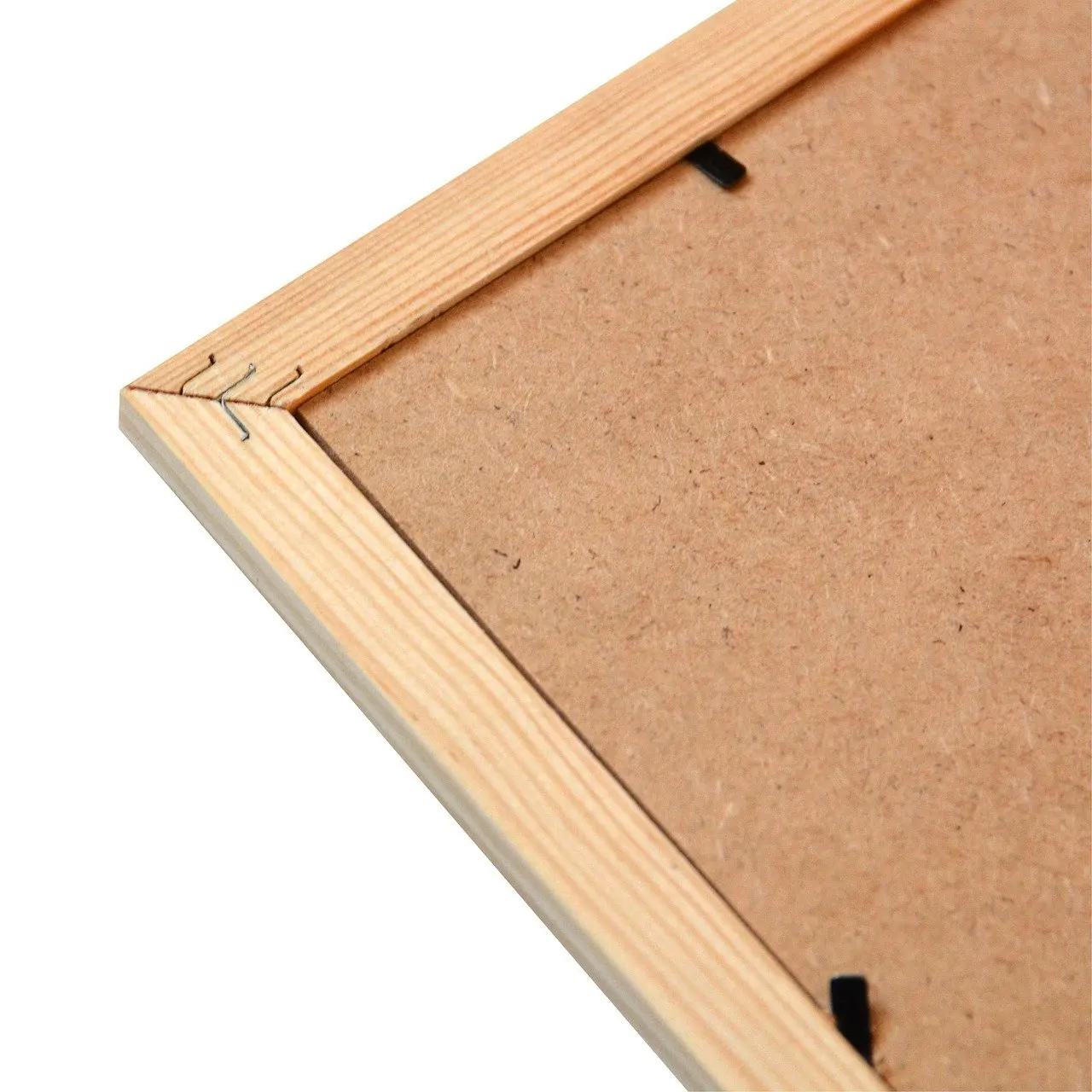
Finish the back with a dust cover attached to the frame. Top Art & Frame notes that a canvas can benefit from protective backing to reduce exposure to dust. Add hanging hardware rated for the final weight, and keep it clear of the canvas. When the piece is ready to go up, return to the guide on how to hang art on a wall.
Checkpoints before hanging
| Checkpoint | Good result | If it is wrong |
|---|---|---|
| Canvas tension | Even surface with no ripples and no visible strain | Restretch before framing; do not force a loose or damaged canvas tighter |
| Bar and frame depth | Stretcher bars seat inside the frame without forcing | Change the frame or the bars to match |
| Floater gap | Narrow, even gap with a clear shadow line | Reposition before the fixings are fully tightened |
| Back finish | Dust cover in place and hardware suited to the weight | Upgrade the hardware before hanging |
The tension, depth and backing checks draw on guidance from Top Art & Frame.
Glass and glazing for canvas
A canvas painting does not need glass. Unlike works on paper, most stretched canvases are not placed behind glass. Glazing can also create moisture concerns or, in some cases, touch raised paint surfaces, which is a real risk for thick or textured work.
Glass is a different decision for paper, where it is standard practice. If you are framing a work on paper rather than canvas, see how to frame works on paper.
Frequently asked questions
How tight should a canvas be on its stretcher bars?
Even and firm, not strained. An overtight canvas can distort or stress the image, while a loose one can ripple and sag, especially in humid conditions.
Does a frame protect a canvas painting?
Partly. A frame can offer some edge protection and help prevent casual contact with the painted surface, and a protective backing reduces exposure to dust.
Should a professional frame a canvas for me?
A framer is worth considering for large, heavy or valuable pieces. Laasya Art recommends a small business with a strong track record, and advises asking whether the framer offers delivery and professional installation.