

| Symptom | First action | Planning use |
|---|---|---|
| Frame under about 20 lb (9 kg) | Use a picture hook or small anchor; no stud is needed. | Covers nearly every photo, print and canvas, so most frames start here. |
| Heavy framed mirror, 20–50 lb (9–23 kg) | Use toggle bolts, or screw into a stud if one lines up. | Marks the point where simple hooks stop being the right choice. |
| Textured wall or fresh paint | Test adhesive strips somewhere hidden first, or switch to a hook. | Strips fail on both surfaces and need a one-hour wait before the frame goes up. |
| Stud finder gives odd readings on plaster, lath or metal-mesh corners | Treat the reading as unreliable and choose a rated anchor instead. | Avoids drilling on a false signal. |
| Picture above a bed or crib | Use a stud or a properly rated toggle. | The anchor’s condition matters more here than elsewhere. |
Weight bands and wall-condition notes in the table come from a guide to whether a stud finder is needed for hanging pictures.
Learning how to hang pictures on a wall comes down to matching the fastener to the frame’s weight: hooks for light frames, a stud or rated anchor for heavy ones, then a level check before letting go.
This page covers the physical act of hanging. The wider guide on how to hang art on a wall places that act within a whole home display, and how high to hang art on wall deals with placement.
Tools and hardware to gather first
A basic hanging job needs few tools, and having them together before the first nail keeps the wall from collecting extra holes. Gather a tape measure, a pencil, a spirit level and a hammer. Add picture hooks, a selection of wall anchors and a stud finder, plus a small tub of spackle for patching mistakes.
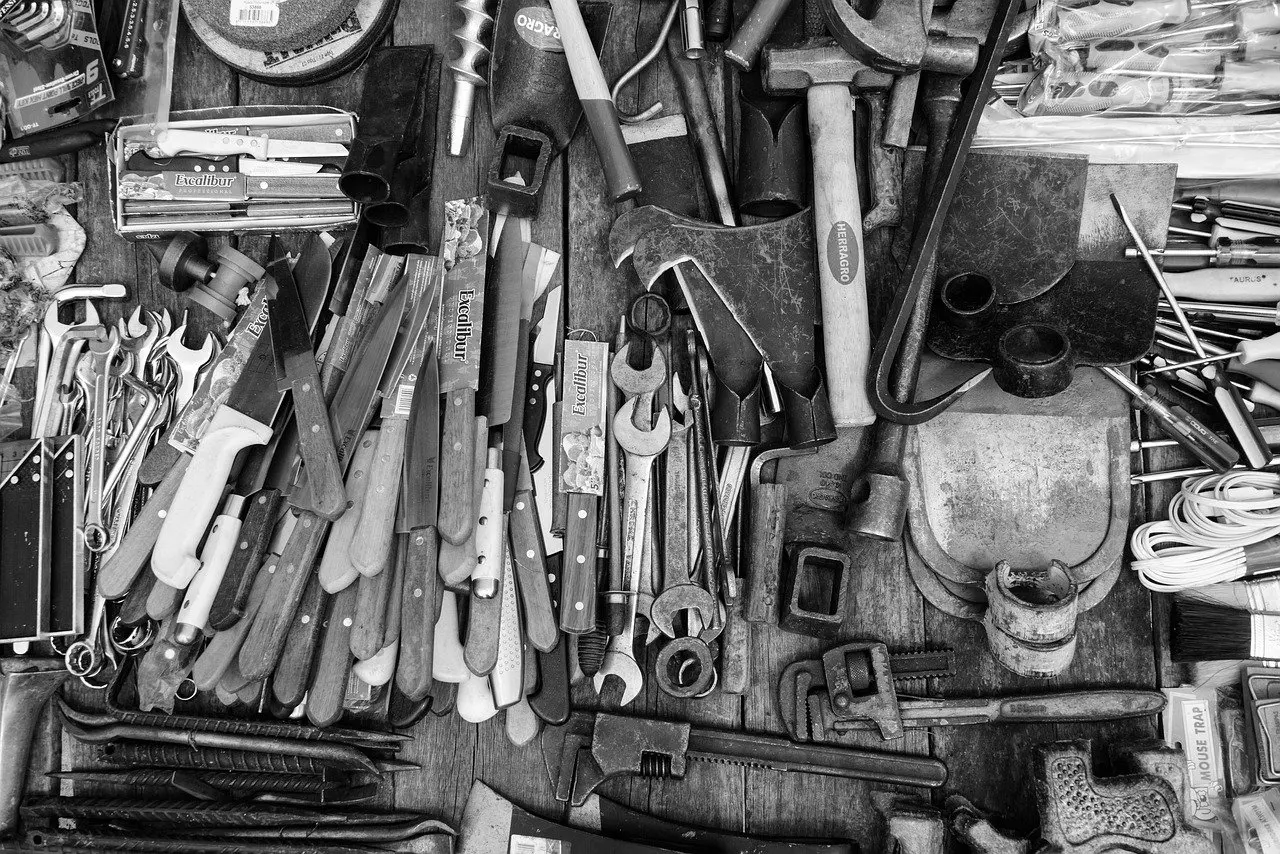
Lay the frame face down on a soft surface and look at its back. Check which fittings it already carries, such as a wire, D-rings or sawtooth hangers, and whether they look firmly attached. The fitting on the frame decides which wall hardware pairs with it.
Matching hardware to frame weight
Frame weight is the deciding factor, and a framed piece under about 20 lb (9 kg) typically hangs on a picture hook or small anchor without a stud, according to the stud finder guide. That covers nearly every photo, print and canvas. Weigh any large or glazed frame instead of guessing, so you know which side of that line it falls on.
Light frames: picture hanger or small anchor
A flat frame loads its fastener straight down in shear, which is the direction drywall handles best, according to the same guide. That is why a single well-set picture hook is enough for most frames. A picture hook also leaves one thin nail hole, which disappears after a dab of spackle.
- Frame with sawtooth hanger: a single hook set at the marked point is usually the simplest match.
- Frame with D-rings: pick a hook or screw head that can take the strap or cord without slipping off.
- Frame that slides on the hook: take it down and reset the hook rather than adding more hardware beside it.
Wire or direct hooks?
Picture wire is the traditional link between frame and wall, but the manufacturer Gallery System advises skipping it. Its picture hanging system instructions call for inserting hanging hooks directly into the attachment points on the artwork. If a piece already has wire, check that it is intact and attached firmly to both fittings before trusting it with the frame.
Heavy frames: toggle bolts or a stud
A heavy framed mirror in the 20–50 lb (9–23 kg) range is recommended for toggle bolts, or a screw into a stud if one lines up, according to the same guide. A hook alone is the wrong choice at that weight. Choose the fastener first, then locate the stud or anchor position that suits it.
Finding a stud before heavy hanging
A stud finder is worth using when the frame is heavy or the fixing carries real consequences. It is unnecessary for a light print on a hook. Use a stud whenever one lines up with the spot you have chosen for a heavy frame.
Scanning the wall
Switch the stud finder on against a clear stretch of wall, then move it slowly sideways across the area where the frame will hang. Mark the edges it reports with pencil, and run the scan again from the opposite direction to see whether the marks agree. Agreement between two passes is a sensible test before committing to a screw.
When readings cannot be trusted
Plaster and lath confuse magnetometer readings, and metal-mesh corners throw false positives, as the stud finder guide explains. On a wall of that type, skip the stud hunt for a mid-weight frame and choose a rated anchor. The same guide notes that floating shelves almost always need studs because the concealed bracket acts as leverage. A flat picture frame does not load a fixing that way.
Hanging a picture on drywall step by step
On drywall, the aim is a secure hook with the least damage to the wall. Follow these actions in order.
- Weigh the frame. Decide whether it falls in the light band or the heavy band before touching the wall.
- Mark the hanging point. Hold the frame against the wall, pull the hanging fitting taut with your fingers if it is wire, note where the fitting sits and pencil a small mark at that point.
- Set the hook. Place the hook on the mark, angle it as the product directs, and tap the nail in with a hammer.
- Hang and release gradually. Lower the frame onto the hook and let go slowly, ready to catch it.
- Level it. Check alignment with the spirit level, as described below, and adjust.
Avoiding wall damage
A picture hook leaves one thin nail hole, which is invisible after a dab of spackle. That makes it the gentlest conventional fixing for drywall. Mark with pencil rather than anything permanent so stray marks wipe away.
Adhesive strips: when to skip them
Adhesive strips avoid a nail hole, but they fail on textured walls and fresh paint, according to the stud finder guide. Test them somewhere hidden first, and allow the one-hour wait before the frame goes up. If the wall is textured or recently painted, use a hook instead.
Anchors for heavy pictures
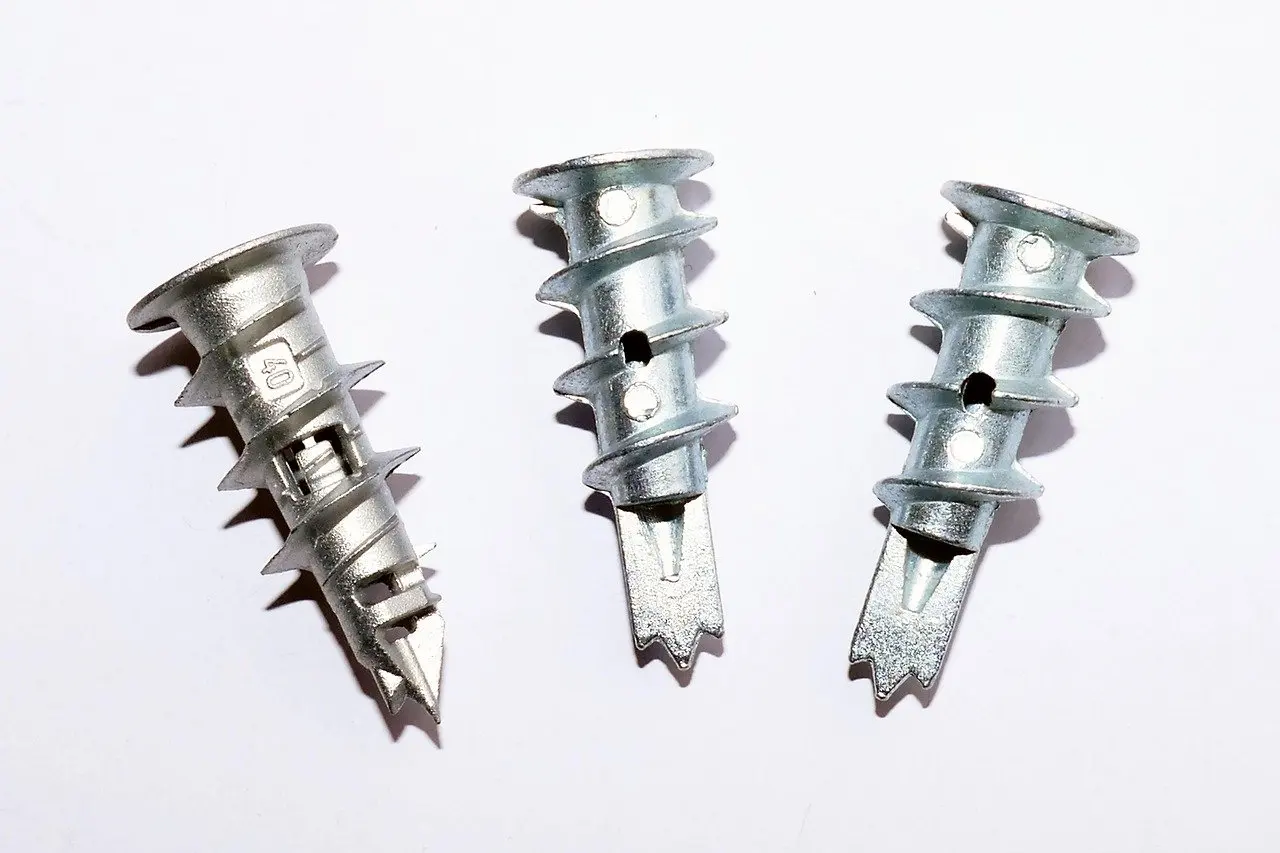
Where no stud lines up behind a heavy frame, a wall anchor carries the load into the drywall. For the 20–50 lb (9–23 kg) band the guide recommends toggle bolts, or a stud if one lines up. Check the anchor’s packaging for its stated load rating, and select one rated above the frame’s weight.
- Stud behind the mark: drive a screw straight into it and match the screw to the frame’s fitting.
- No stud, heavy frame: fit a rated toggle bolt at the marked point.
- Anchor feels loose after fitting: remove it, patch the hole with spackle and relocate the fixing rather than hanging on a doubtful anchor.
Soft textiles follow different rules from framed pieces, since they have no rigid frame to take a hook. For those, the guide on how to hang a tapestry on the wall is the better route.
Levelling and fixing common faults
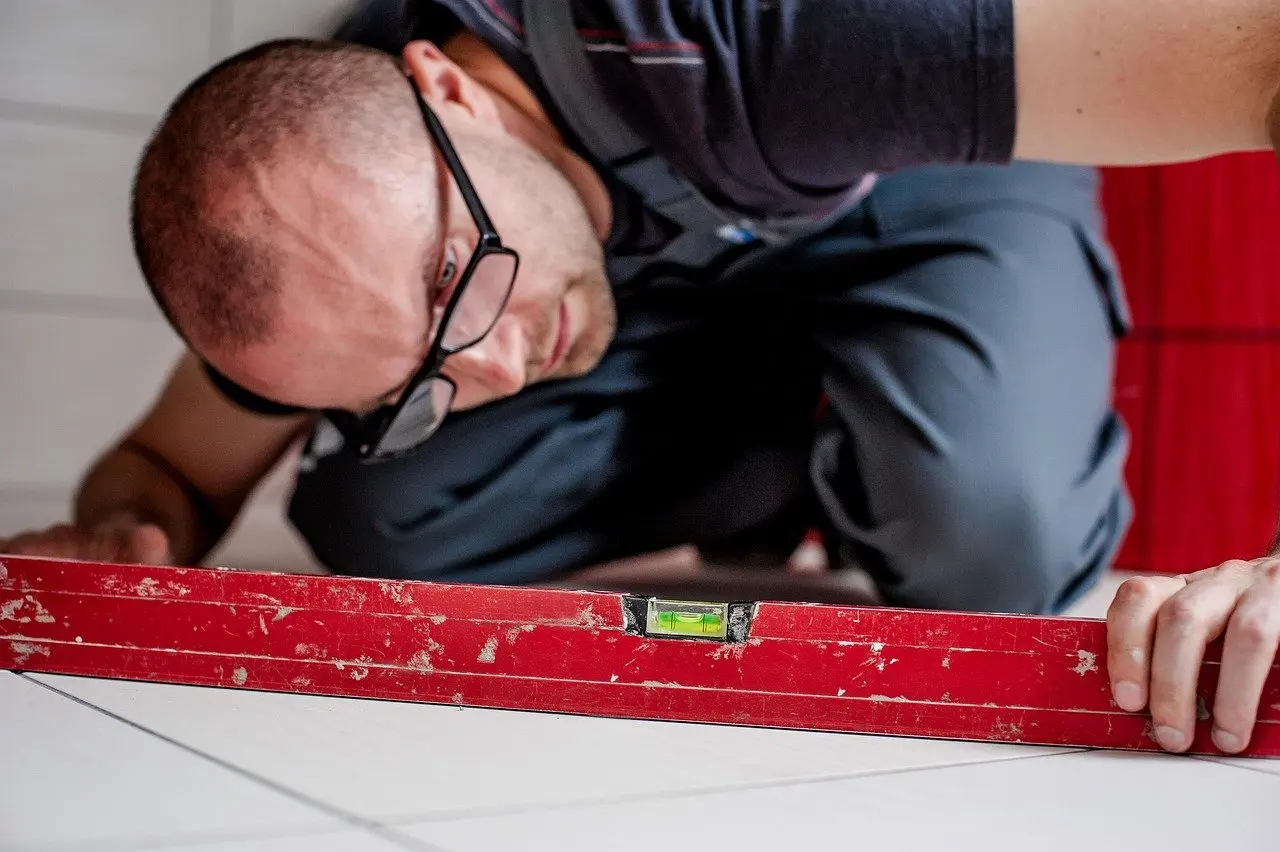
Once the frame is hanging, set the spirit level on its top edge and watch the bubble. Nudge the frame until the bubble settles between the lines, then step back and check by eye.
Symptoms and fixes
- Frame leans to one side: lift it off, check that the fitting sits centrally on the back and reset it on the hook.
- Frame slips along the hook: take it down and set a new hook at the correct point instead of adding hardware beside it.
- Hook wobbles in the wall: remove it, patch the thin hole with spackle and hang from a fresh spot or a rated anchor.
- Misplaced mark: rub out pencil lines and patch any nail hole before hanging again.
Once the frame is level and secure, leave it alone for a short while and check it again. Spacing between several frames and their height on the wall are separate decisions, handled in the placement guide linked earlier.
Frequently asked questions
| Question | Answer |
|---|---|
| Can I hang a picture on drywall without damaging the wall? | Largely yes. A picture hook leaves one thin nail hole that a dab of spackle hides, and adhesive strips avoid a hole altogether on smooth, dry-painted walls. Strips fail on textured walls and fresh paint. |
| Do I need picture wire on the back of the frame? | Not necessarily. Gallery System advises skipping picture wire and inserting hanging hooks directly into the artwork’s attachment points. |
| What should I use above a bed or crib? | Use a stud or a properly rated toggle, and be honest about the anchor’s condition before relying on it. |
| Is a stud finder always necessary? | No. It matters mainly for heavy frames, and it can mislead on plaster and lath or metal-mesh corners, where a rated anchor is the safer route. |