

The best contemporary art magazines for a buyer depend on the job. Artforum and Art in America suit criticism, Apollo suits exhibition reviews, Frieze suits the gallery and collector world, and Hyperallergic suits online reading.
Picture a reader who has just seen a striking show and wants to know who writes about work like it. The shortlist below sorts each title by what it gives a buyer, with a German-language angle, as one part of learning how to find emerging artists.
Magazines at a glance
Titles differ in age, rhythm and editorial emphasis, and those differences decide how a title fits into a buying routine. Criticism-led titles reward slow reading. Online and listings-led titles reward frequent checking.
| Title | Founded or launched | Rhythm and format | Editorial focus | Planning use |
|---|---|---|---|---|
| Artforum | 1962, San Francisco | International monthly | Contemporary art | A steady monthly read for following the contemporary conversation |
| Art in America | 1913 | Magazine with an online guide | Art news and criticism; venue listings | Reviews plus a way to plan visits |
| Aesthetica | First issue 2003 | International, bi-monthly | International art coverage | A lighter reading rhythm, issue by issue |
| Hyperallergic | October 2009 | Online | Art criticism and commentary | Browsing from a screen without waiting for an issue |
Founding years, rhythms and focus follow a survey of popular art magazines worldwide.
Artforum for contemporary criticism
Artforum is an international monthly magazine that specialises in contemporary art, and it was founded in 1962 in San Francisco, according to the same survey. It suits readers who want to follow the contemporary conversation every month and who are comfortable with critical writing.
Its limit is that a long-running critical title does not tell you what to buy. It is better treated as a way to learn which artists and exhibitions are being argued about.
Art in America for news, criticism and venue listings
Art in America was founded in 1913 and, per the survey, focuses on art news and criticism. Its online guide also lets readers search listings for over 3000 art venues, which makes it practical as well as critical.
This is a good second title beside a criticism-only read. Reviews tell you what a critic made of a show, and the listings help you plan which spaces to visit next.
Apollo for exhibition reviews and studio visits
Apollo calls itself The International Art Magazine. Its November 2026 issue carries reviews of Krasner and Pollock in New York, Franz Marc in Düsseldorf and Kurt Schwitters in Paris. That mix leans towards museum exhibitions and modern masters rather than emerging work.
The same site runs an “In the studio with…” series. One instalment on Ian Davenport shows the paint-pourer in a converted warehouse. For a buyer, studio features are useful because they show how an artist works, not only what a critic concluded.
Frieze for artists, galleries and collectors
Frieze describes itself as the world’s leading platform for modern and contemporary art, dedicated to artists, galleries and collectors. Of the titles here, that framing comes closest to a buyer’s perspective.
Choose it when you want to see how galleries and collectors fit into the art world, not only what critics think. Pair it with a criticism-led title so that market visibility does not stand in for quality.
Hyperallergic and Aesthetica for online and bi-monthly reading
Hyperallergic is an online art magazine launched in October 2009. The survey credits it with over a million monthly viewers and over a hundred global contributors. A wide contributor base means a wide range of voices, so it works well for browsing rather than for following a single critic.
Aesthetica is an international magazine published bi-monthly, with a first issue in 2003. It suits readers who prefer a slower rhythm than a monthly and want an international overview without a heavy reading load.
Independent and Italian-based voices
Flash Art is an Italian-based international quarterly about contemporary art, according to the survey. It is the natural step for readers who want a European angle beyond the American titles.
Smaller independent titles add a different voice. An independent-magazine guide describes Ursula as having the editorial weight of a quarterly literary review that takes contemporary art as its subject. One issue includes Alissa Bennett writing on the painter Carol Rama. See All This is distributed through museums and independent bookstores rather than newsstands.

These titles suit readers who enjoy long-form writing. They are a poor fit for anyone who wants quick exhibition listings.
German-language reading
Readers who want a German-language emphasis can add Monopol and Art – Das Kunstmagazin to the international titles. Compare each publisher’s own site for current formats and prices before subscribing.
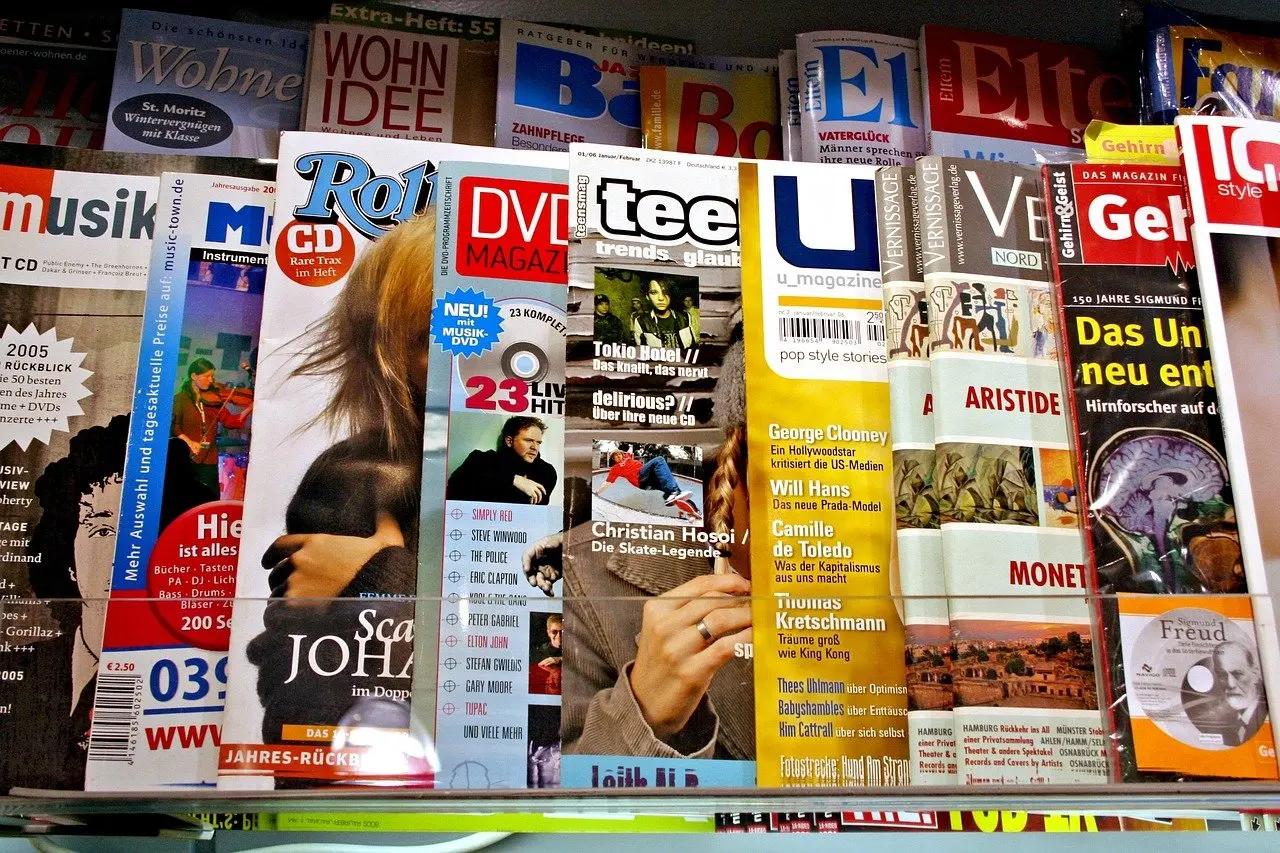
Language also matters for international titles. Flash Art has been separated into two monolingual issues, so check which edition you are buying before you pay for one.
Subscriptions and where to buy
Access varies by title. Apollo offers free newsletters on sign-up, a low-commitment way to sample its tone.
For a first paid purchase, the same guide calls Sotheby’s Magazine at £9 the better first read. Independent titles such as See All This sit in museums and bookshops, so a visit to a museum shop can matter more than a newsstand.
Using reviews to find artists to collect
Treat a review as a lead, not a verdict. Exhibition reviews and studio features name artists and show their work in context, and that is where the buying list starts. The collecting steps in how to start an art collection explain what to do once a name keeps recurring. Readers drawn to screen-based work can pair magazine reading with advice on how to buy digital art.
A short decision checklist
- Pick your main need. Choose criticism, exhibition coverage or the gallery-and-collector view, and start with the one title that matches it.
- Add a second voice. Pair it with a title of a different emphasis, such as a venue-listings guide beside a criticism read.
- Check language and edition. Confirm German or English before subscribing, especially for titles with separate language issues.
- Sample before paying. Use a free newsletter or a shop browse first.
- Keep a name list. Note artists who appear in several reviews and look at their work in person.
Frequently asked questions
What are good Artforum alternatives?
Art in America offers news and criticism with venue listings. Flash Art offers a European, Italian-based quarterly view. Hyperallergic offers online reading with many contributors.
Can I read anything without paying?
Apollo sends free newsletters on sign-up, and Hyperallergic is published online. Check each site for what sits behind a login or subscription.
Does a good review mean an artist is ready to collect?
No. A review records one critic’s view of one exhibition. Use it to build a list of names, then follow those artists across several publications and shows.