

| Topic | What is documented | Planning use |
|---|---|---|
| Start of the movement | Began in 1957 in the former Rhodesia; its origins date no further back than the 1950s | Treat it as a contemporary art movement with a traceable start, not an ancient craft. |
| Tengenenge | Sculpture community established in the 1960s by Tom Bloemfield on his farm in northern Zimbabwe, near the Great Dyke | A useful place name to ask about when a seller describes where a piece came from. |
| Stones | Springstone, serpentine, soapstone, limestone, Verdite and Lepidolite | Ask the seller to name the stone rather than accept a generic label such as “African stone”. |
| Hardness | Soapstone is soft and workable, greenstone is mid-hard, serpentine is hard, and Verdite is a difficult hard stone | Harder stones suit bold forms and reward closer inspection of the finish. |
| Finish | Warmed near a fire for 10-15 minutes, then sanded, polished and buffed to a high gloss | Look for an even, deep surface that shows the stone’s natural colour. |
The table draws on the background in this overview of Shona sculpture and the stone and finishing notes in a Zimbabwe travel guide to Shona sculptures.
Shona sculpture is the hand-carved stone art of Zimbabwe, a movement that began in 1957 in the former Rhodesia. For buyers, the stone, the carving and the finish matter most, and the seller should name the stone and sculptor.
A single piece is rarely a first purchase in isolation, so it helps to read how to start collecting fine art alongside this guide. The sections below follow a buyer’s path: origins, stones, inspection, purchase and care.
Origins: from 1957 to the Tengenenge community
The movement is dated to 1957 in the former Rhodesia, when Frank McEwen encouraged a creative atmosphere of individual “drawing out” rather than a didactic art school process, according to the Venice Clay Artists overview. The same account says Shona sculpture has been accepted as one of the most important art movements to emerge from Africa, and one of the most important African art movements of the 20th century. A Siyabona travel guide places its origins no further back than the 1950s.
In the 1960s a sculpture community was established at Tengenenge by Tom Bloemfield on his farm in northern Zimbabwe. It sits near the Great Dyke, described as a rich source of good quality serpentine, and has become one of the largest sculpture communities in Zimbabwe. For a buyer, Tengenenge works as a provenance clue. It points to a place and a stone source, but it is not a guarantee of quality, so the carving still has to be judged on its own.
The subject matter is part of what separates this work from decorative stone figures. Thematic influences include the natural world, mythology and ancestral spirits, so a good piece usually reads as a considered form rather than a literal likeness.
Stones: what is carved and how hard it is
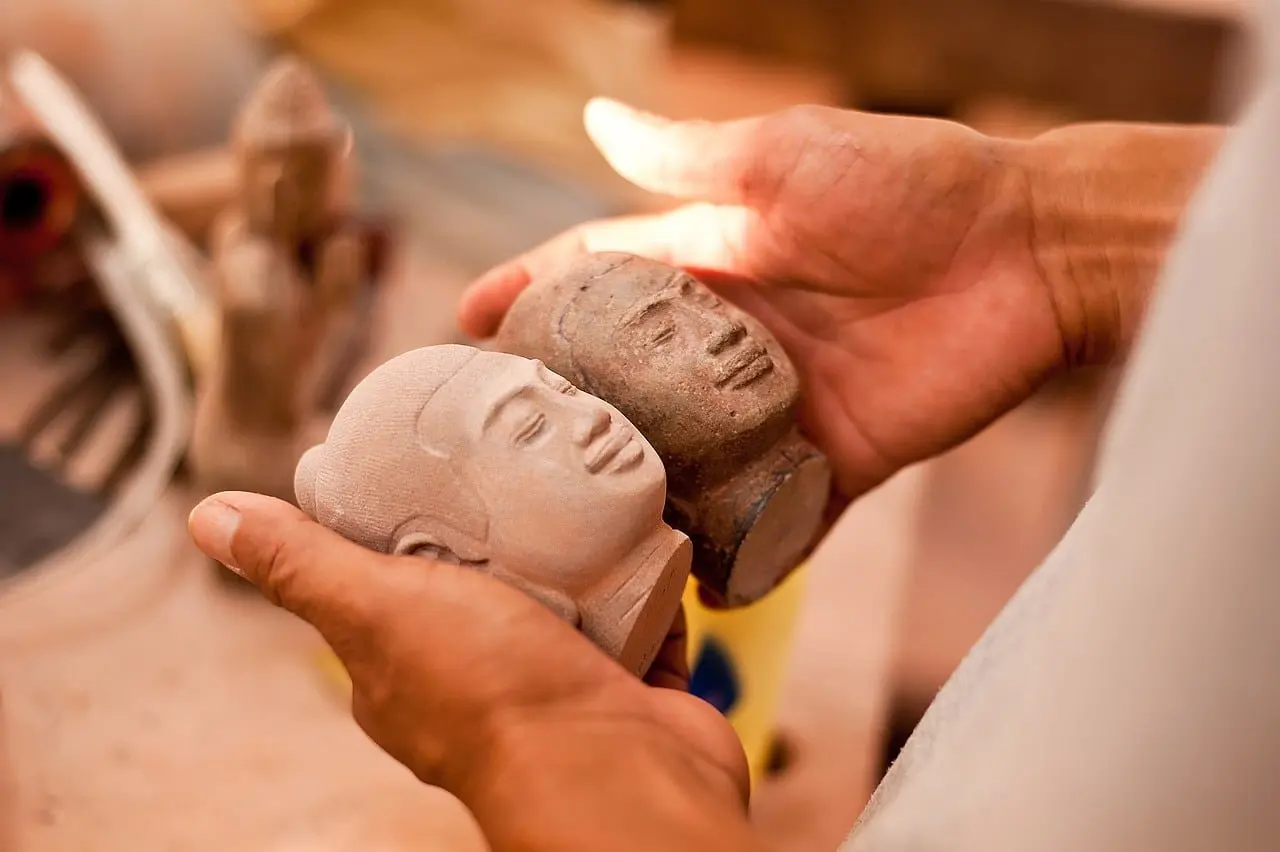
Zimbabwean sculptors work in a range of stones, from hard black springstone to richly coloured serpentine and soapstones and firm grey limestone, with Verdite and Lepidolite also named. Stone is only one of several sculpture materials, set in context in this overview of types of sculpture. The stones differ most in how hard they are, and hardness shapes what a piece looks like.
- Springstone: described as hard and black, and the stone behind most dark, dense pieces.
- Serpentine: richly coloured. Black serpentine is bold in colour and hard in form, which suits large abstract works.
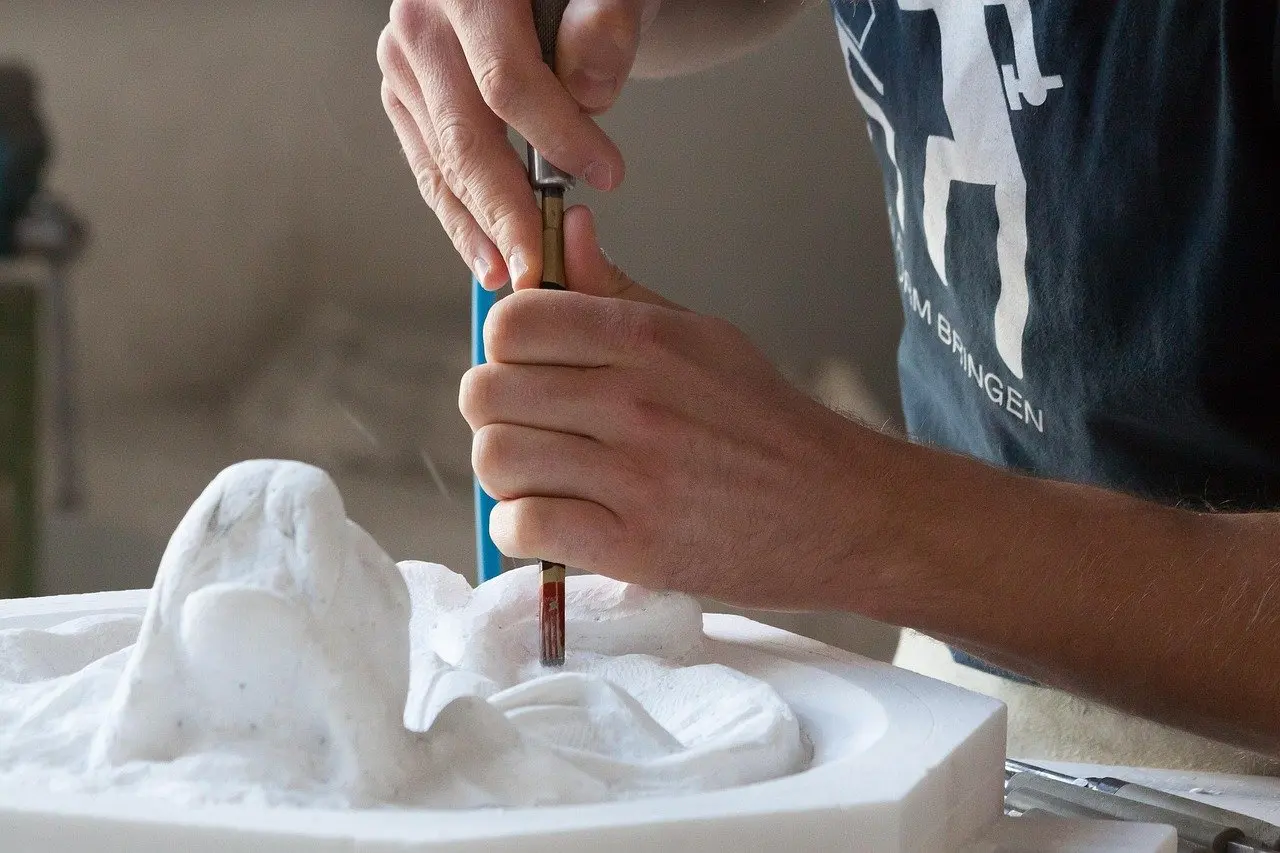
- Soapstone: so soft and workable that novices learn their art on it using wooden tools.
- Limestone: firm and grey, in the middle of the range.
- Greenstone: mid-hard and found only in Nyanga.
- Verdite: a difficult hard stone, so a well-finished Verdite piece represents considerable labour.
Serpentine or springstone?
The practical difference is colour and character. Springstone is described as hard and black, while serpentine is described as richly coloured. Because black serpentine is also hard and bold, a dark piece could plausibly be sold under either name. Ask the seller to state which stone it is and to say how they know.
Carving and finish: what to inspect
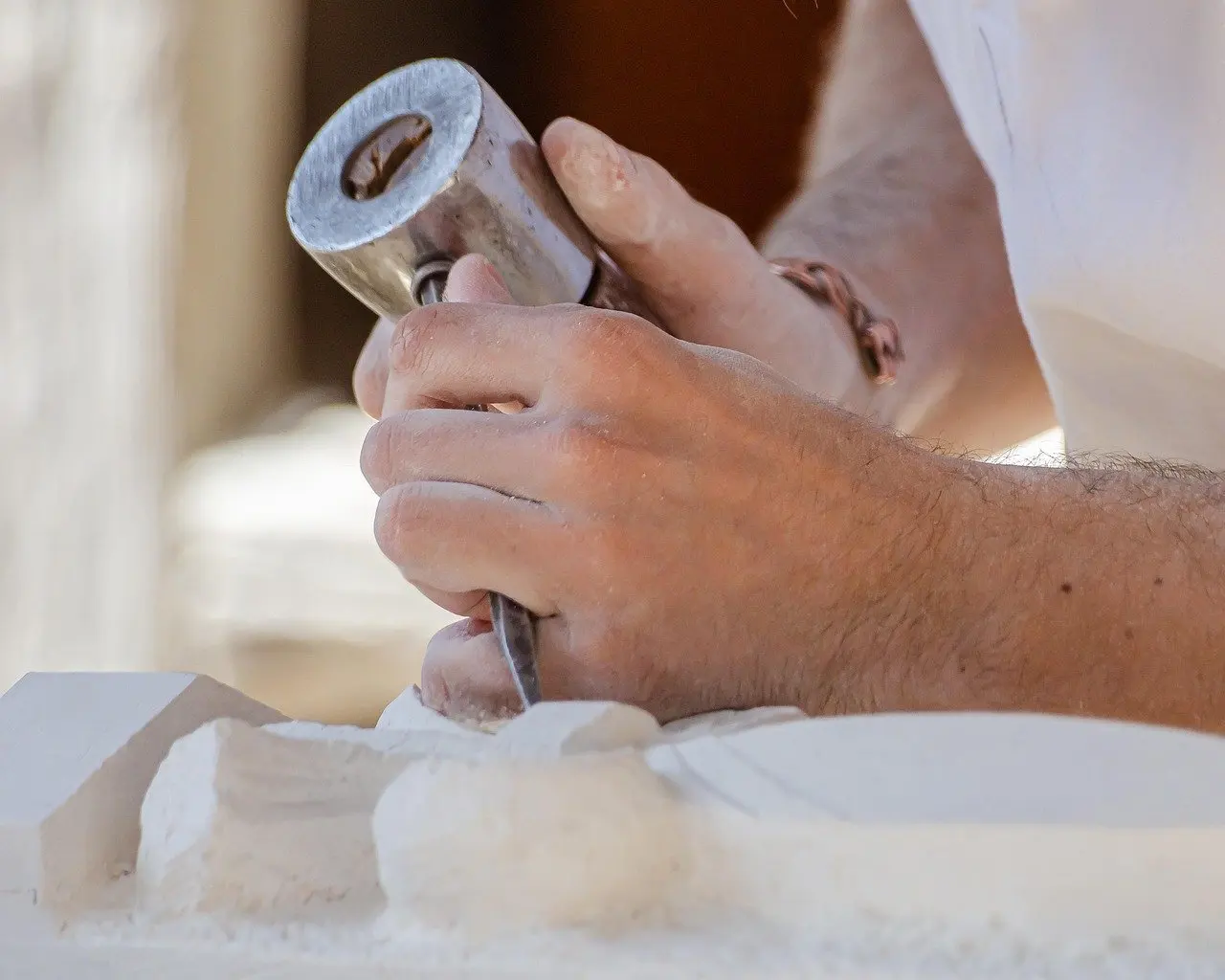
Quality shows in two places: the form the sculptor has carved and the surface left on it. Judge them separately, because a glossy finish can flatter a weak shape.
Form and carving
- Turn the piece slowly. A strong carving holds its rhythm from every side, not only from the front.
- Read the theme. Look for a clear link to the natural world, mythology or ancestral spirits rather than a generic figure.
- Check the stone against its description. Colour and weight should fit the stone the seller names.
Surface and polish
Finishing is a staged process. The Siyabona guide describes a sculpture placed near a fire to gain heat for 10-15 minutes, then sanded, polished and buffed to a high gloss that brings out its natural colours. It also describes dipping the stone in water and sanding it down, at which point hidden dark colours and metallic flecks appear. A good finish therefore looks deep and even, with the stone’s own colour showing through rather than a surface that looks painted on.
Wax is a common finishing material. One listed example is a springstone piece polished with beeswax, so a soft, rubbed lustre rather than a hard coating is a normal result.
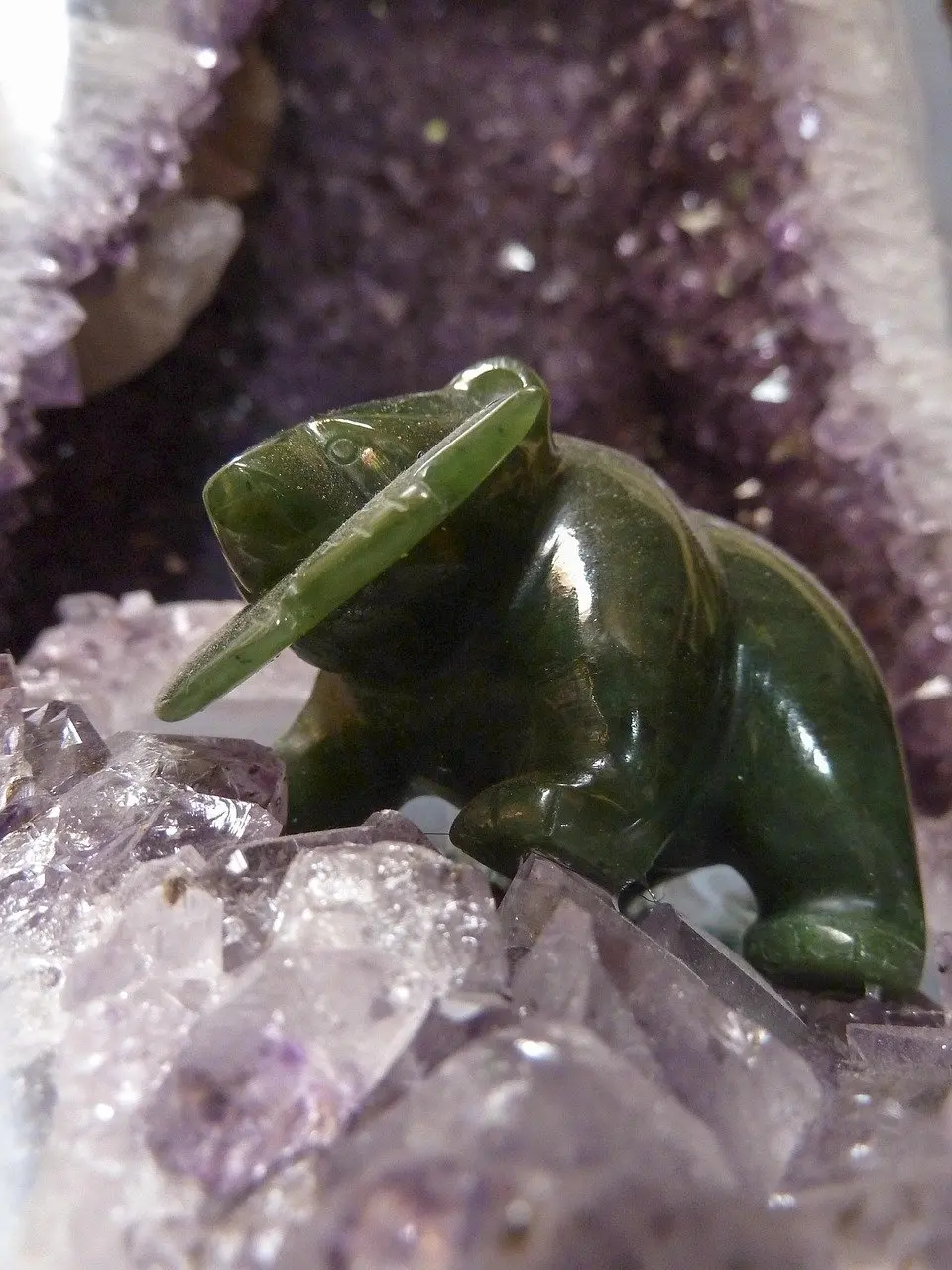
Documentation and buying
Documentation matters more for stone sculpture than the price tag suggests, because a named sculptor and stone are what separate a documented work from an anonymous one.
Documented sculptors and museum records
Museum records show what proper attribution looks like. Georgia Tech’s public art listing for Guiding Spirit gives its dimensions as 41.5 x 20 x 9.5 inches (H x W x D) and describes it as Zimbabwean stone sculpture signed M. Kennedy, possibly Kennedy Musekiwa (b. 1962). The same listing states that the sculptures are gifts from the collection of Caroll B. and Peter M. Shannon. Even a museum may record an attribution cautiously, so a seller’s confident claim about a signature deserves a request for evidence.
Other names appear in the Venice Clay Artists overview, which credits Nicholas Mukomberanwa (b. Searching a sculptor’s name against museum and park records is a reasonable first check.
Where and how to buy
The Siyabona guide calls finding a sculptor at work and buying directly from him the most satisfying way to buy, and mentions an outdoor studio in a quiet corner near the Troutbeck Hotel in the Eastern Highlands. Direct purchase also shortens the chain of questions about who carved the piece. When buying through a dealer or online, work through these steps:
- Ask for the sculptor’s name and where the piece was made.
- Ask which stone it is and how the seller identified it.
- Ask what finish was used, such as wax or polish.
- Request a written invoice that records these details, and keep it with the piece.
- Check export and import rules with the relevant customs authority before shipping.
The provenance habits in how to tell if a painting is original carry over to sculpture paperwork, even though the objects differ.
Troubleshooting a doubtful piece
- Seller cannot name the stone: wait. Compare the colour and weight with the stones described above, or choose a seller who can state it.
- No sculptor named: treat the piece as undocumented and price it accordingly, since attribution is what museums record.
- Glossy but lifeless form: a bright polish does not make up for weak carving, so go back to the form checks.
- Dull or uneven surface: ask what finish was applied, because a polished piece should show the stone’s colour evenly.
If none of these can be resolved with the seller, choose a different piece instead of relying on a promise to supply documents later.
Care after purchase
Because finishes are wax or polish based, ask the seller what was used so that any later maintenance matches the original surface. Beeswax is one documented example for springstone. Keep the invoice and notes on stone and sculptor with the piece, since they are the record a future buyer or museum will look for.
Frequently asked questions
Who are the Shona?
The Shona make up over three quarters of the population of Zimbabwe, according to the Venice Clay Artists overview, which is why the movement carries their name.
Where does the name Zimbabwe come from?
It derives from the Shona word dzimbadzamabwe, meaning “house of stone”. The Great Zimbabwe settlement, a stone-built site, is now a World Heritage Site.
Does a hole in a figure mean it is damaged?
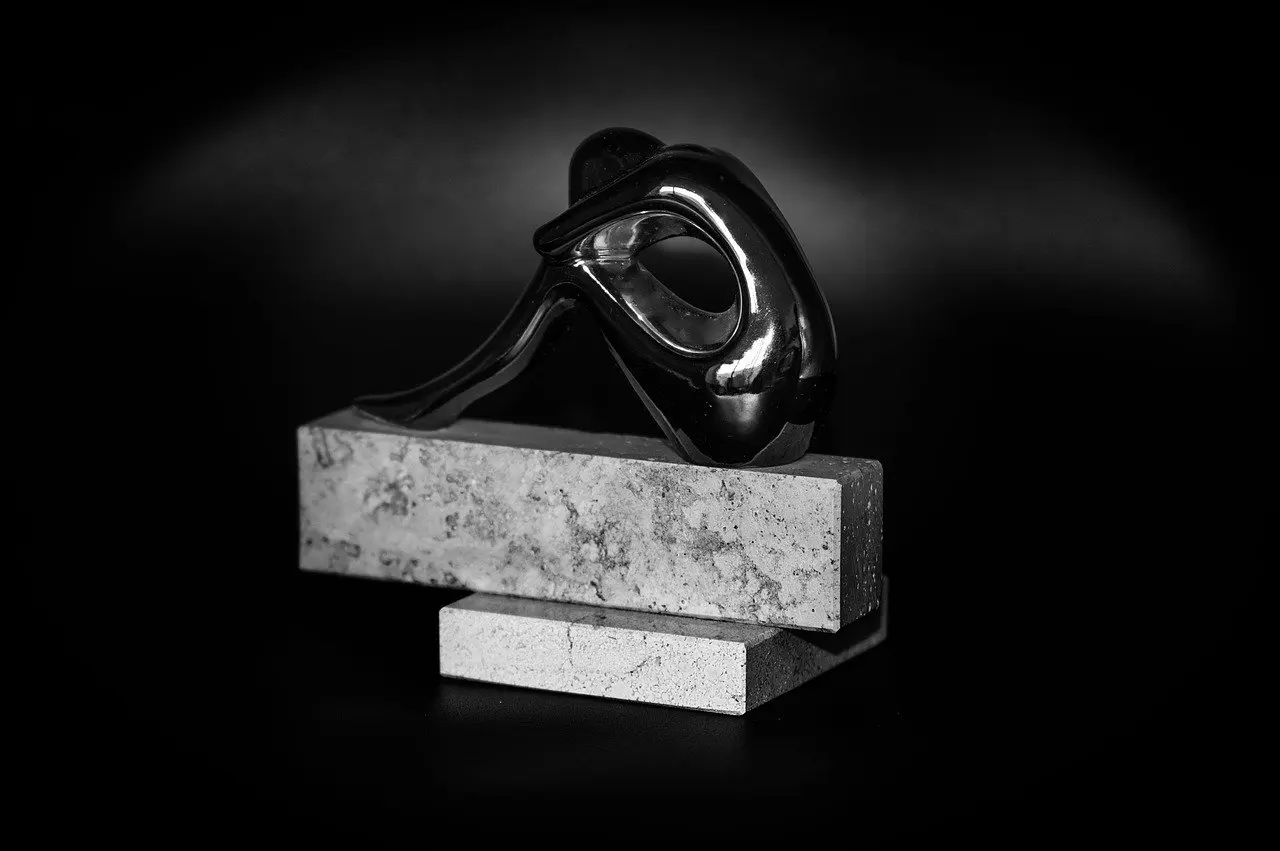
Not necessarily. The spirit world is often represented by a hole, a negative space within the sculpture, so an opening can be part of the design.