

| Your situation | Method and material | What you see and handle | Planning use |
|---|---|---|---|
| You want a surface that shows the sculptor’s cuts | Carving (subtractive): stone such as marble, or wood | A piece cut down from a larger block, with the finish left by the removal of material | Ask what the block was and how the surface was finished before comparing prices |
| You want a form that feels built up and hand-shaped | Modelling (additive): clay | Features added bit by bit, sometimes over a supporting armature | Check that the clay has fully dried or cured and how it has been sealed |
| You want a work made from a mould | Casting: plaster in the source example, metals such as bronze in practice | A finished piece that copies a master sculpture | Ask which piece is the master and which are casts |
| You want something mixed or unconventional | Assemblage: found objects, often with clay | Separate parts joined with clay, adhesive, wire or tape | Inspect the joins, because they decide how sturdy the work is |
The figures and definitions in this table follow the Montmarte guide to sculpting techniques; the bronze and marble pointers are general buying direction.
The main types of sculpture are carved, modelled, cast and assembled, and a single work can combine them. The method decides what a buyer sees on the surface and what needs care afterwards.
Buyers new to the field can pair this overview with a wider guide on how to start collecting fine art. Looking closely at finished works is easier with advice on how to appreciate sculpture.
If you want a surface cut from a solid block
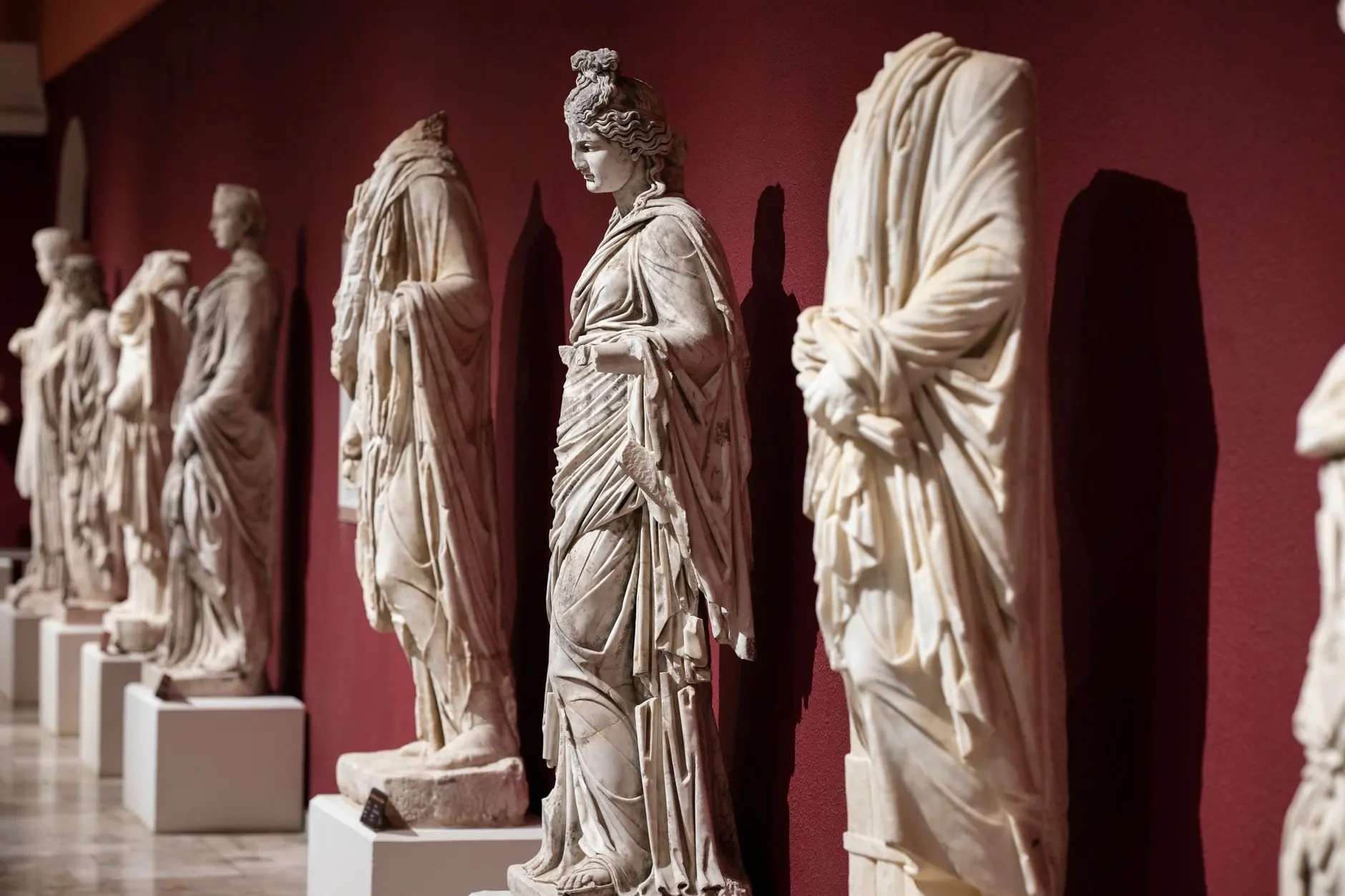
Carved sculpture is the subtractive family. Traditional sculpting rests on four techniques: carving, casting, modelling and assembly, according to the Montmarte guide. Of these, carving starts with a larger piece and removes material until the form remains. Nothing is added back, so the shape and surface of a carved piece are a record of what the sculptor took away.
That has a practical consequence for buyers. A carved work is limited by the block it came from, so the quality of the stone or timber matters as much as the design. Ask what the material is and how the surface was finished, and look at the piece from several angles rather than from the front only.
Carved stone and marble
Marble suits buyers who want a smooth, refined surface and a work that reads as a single solid mass. Fine polished detail is the main attraction. It also means the surface is what you are paying for, so inspect it closely in good light and handle the piece only as the seller advises.
For a focused look at carved stone from one tradition, see shona sculpture.
Carved wood
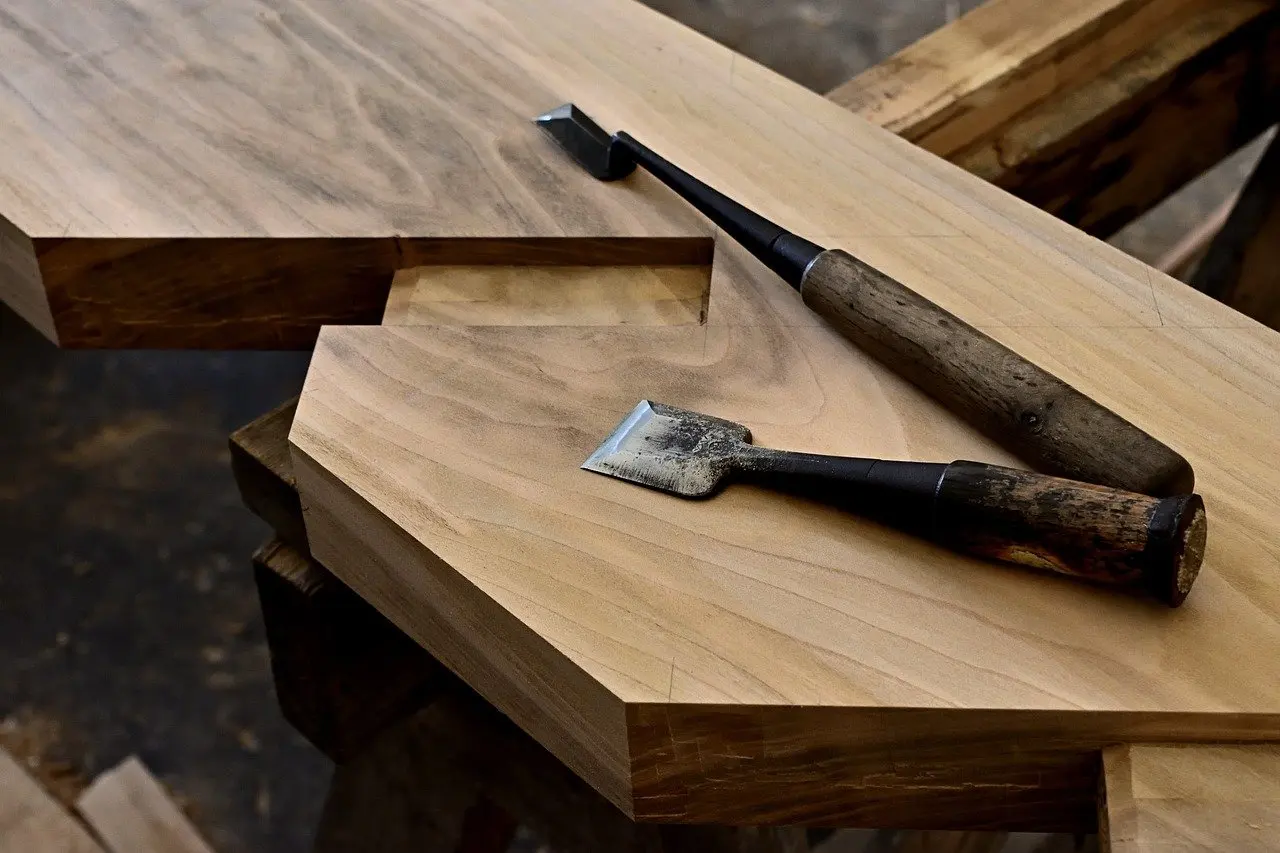
Wood suits buyers who like a warmer, visibly natural surface. Because carving removes material, the grain and the marks of the tool become part of what you see. Choose wood if you want that evidence of the process and plan to display the piece indoors or somewhere sheltered. If the work will stand outside, ask the seller directly how it has been treated and what upkeep it needs.
If you want a form that has been built up
Modelled sculpture is the additive family. The Montmarte guide notes that, unlike carving, clay modelling works by adding clay features bit by bit. The result often feels more fluid, because the sculptor can add, press and reshape rather than commit to each cut.
Modelled clay
Clay is the entity to understand here, because it is both a finished material and the starting point for other methods. Larger clay works may rely on an armature, a framework made of wire or aluminium foil that supports the clay while it is shaped. A buyer cannot see the armature, so the maker’s description matters.
The same guide advises letting a clay sculpture dry or cure according to the instructions before painting or sealing. For a buyer, that translates into two questions: has the piece fully dried or cured, and has it been painted or sealed afterwards? A raw or lightly finished clay work needs more careful handling and a more sheltered position than a sealed one.
Assemblage
Assemblage suits buyers who enjoy unexpected materials. It combines found objects, often with clay, into three-dimensional artworks. Parts can be fixed with clay, adhesive, wire or tape, so the joins are the part to examine. The guide also says the four techniques can be combined in one sculpture, with no fixed rules, which means a single work may be partly carved, partly modelled and partly assembled.
- Choose assemblage if the story of the found objects matters to you more than a uniform surface.
- Look elsewhere if you want a single, solid material throughout, since mixed works have more joins to inspect.
If you want a work that comes from a mould
Cast sculpture is made by taking a mould from an original and filling it. The Montmarte guide describes a plaster example: a master sculpture is first made in air dry clay on a support structure and then painted. A mould is formed in two halves, the halves are bound tightly together, and plaster mixed with water to the consistency of pancake batter is poured in. In a relief version, a design is pressed into packed clay with edges, plaster is poured in, and it dries overnight.
Cast bronze and other metals
Bronze is the material most buyers associate with casting. The method matters because the piece you buy is a copy of a master, so provenance questions become practical ones. Ask who made the master, who made the cast and whether the work is one of several.
Outdoors, a metal work will weather, and the pictured statue shows a green patina. Decide before buying whether the colour change is welcome, and ask whether the surface has been treated.

Cast plaster
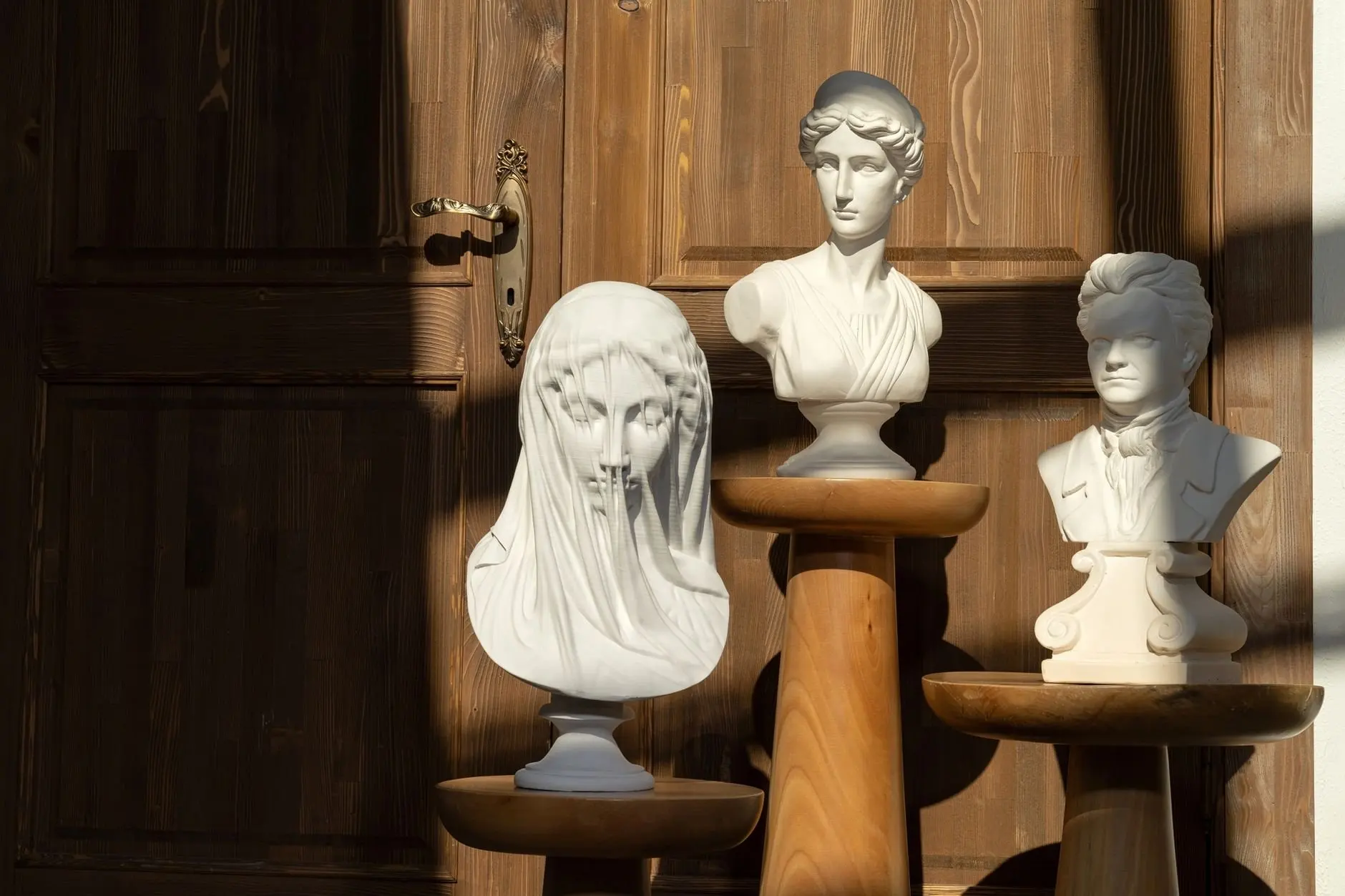
Plaster casts are the entry point for understanding the method. The guide warns that plaster reaches high temperatures while curing, which can cause burns, so gloves are advised for anyone making casts. For buyers, plaster suits indoor display and studies, and it calls for gentler handling than stone or metal.
Choosing between bronze, marble and wood
The three materials differ mainly in method, and method shapes what you see. Use these decision points as a starting filter, then confirm details with the seller.
- Bronze suits buyers who want a cast work and are prepared to ask about edition and finish, particularly if it will stand outdoors.
- Marble suits buyers who value a carved, finely detailed surface and plan to display it where it will be handled carefully.
- Wood suits buyers who like visible grain and tool marks and can give it a sheltered position.
- Clay and mixed works suit buyers who want a hand-built feel and accept that drying, curing and joins need checking.
These are general buying pointers rather than rules, because the guide itself stresses that sculptors can combine methods freely. A work that looks like one material may use several techniques, so the maker’s own description is the most reliable guide.
Frequently asked questions
| Question | Answer |
|---|---|
| What is a cast sculpture? | A cast sculpture is made by filling a mould taken from a master work, rather than by cutting or building the final piece directly. |
| What is the difference between carved and modeled sculpture? | Carving removes material from a larger piece, while modelling builds the form up gradually, as with clay features added bit by bit. |
| Can one sculpture use more than one method? | Yes. The Montmarte guide says all four techniques can be combined, with no fixed rules. |
| Does clay need to be dry before it is sealed? | Yes. Clay sculpture should dry or cure according to its instructions before painting or sealing. |